Many businesses can remain open during commercial roof replacement, depending on the building, roofing system, and work involved. Keeping operations running takes planning: safe entrances, protected work areas, coordinated deliveries, and a schedule that accounts for your busiest hours.
For business owners in Eugene, Oregon, rain also needs to be part of that plan.
Identify What Is Going Wrong With the Roof
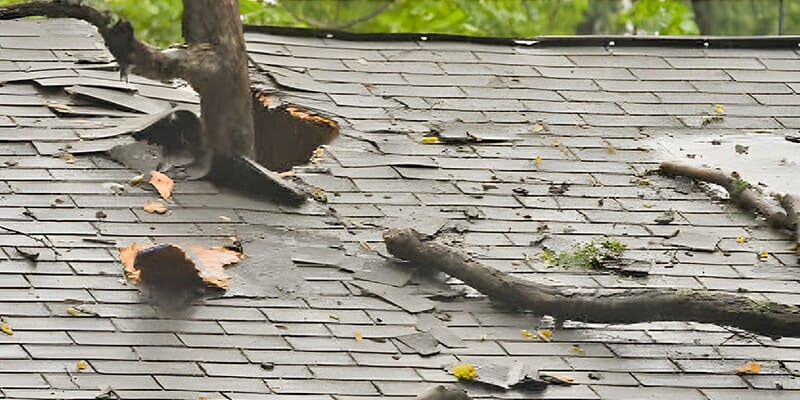
Before scheduling replacement, find out why the existing roof is failing. Covering the same problems with new materials can leave drainage or moisture issues unresolved.
Common commercial roof problems include:
- Recurring leaks: Water can enter through damaged seams, flashing, or openings around rooftop equipment.
- Standing water: Blocked drains or inadequate drainage can leave water collecting on low-slope roofs.
- Open seams and punctures: Aging materials, debris, and rooftop foot traffic can create openings in roofing membranes.
- Loose flashing: Movement or deteriorating connections around roof edges, walls, and equipment can allow water inside.
- Wet insulation or deteriorated decking: Hidden moisture can damage materials beneath the roof surface.
- Wind damage: Strong winds can loosen roof edges, flashing, and roofing materials.
Build the Schedule Around Your Business
Tell your roofing contractor how the building operates before work is scheduled.
A restaurant needs access for food deliveries. An office may need quiet during client meetings. A warehouse must keep loading areas available. Medical facilities and other sensitive properties may need additional precautions or temporary closures in affected areas.
Give the contractor:
- Your operating hours and busiest periods.
- Delivery schedules and loading requirements.
- Locations of sensitive equipment and inventory.
- Areas where noise, dust, or odors would interrupt work.
- Any tenant or building-management requirements.
Keep Entrances and Deliveries Accessible
Roof replacement requires space for materials, equipment, debris containers, and contractor vehicles. Decide where those will go before the crew arrives.
Keep customer walkways separate from work areas. Coordinate material deliveries so they do not block loading docks or accessible entrances. Emergency exits must remain usable throughout the project.
If an entrance or parking area needs to close temporarily, notify employees, tenants, and customers ahead of time. Clear signs can direct visitors to the correct entrance without sending them through a construction area.
Discuss Whether Work Can Be Completed in Sections
On suitable buildings, replacing the roof in sections can help limit the area affected at one time. It can also allow the contractor to control how much roofing is exposed during the workday.
This approach depends on the roof’s construction, condition, and installation requirements. Ask how each section will be protected before the crew leaves and what happens if unexpected damage is found underneath.
Do not assume the whole building will need to close—or that every room can remain occupied. Confirm the plan for the areas directly below active work.
Make Rain Protection Part of the Plan
Eugene’s rainy weather can affect removal, installation, and material storage. Ask your contractor how forecasts influence the schedule and how exposed areas will be protected if conditions change.
The project plan should address temporary weather protection, keeping materials dry, and maintaining drainage during construction. It should also explain how weather delays will be communicated.
Allow some flexibility in your business schedule. Continuing roof work in unsuitable conditions can create larger problems than postponing it.
Protect Inventory, Equipment, and Indoor Air
Before work starts, walk through the building with the contractor. Point out computers, merchandise, production equipment, and areas that cannot tolerate dust or moisture.
Move vulnerable items where practical and discuss appropriate protection for anything that must stay in place. If the roof has a history of leaks, identify those locations so the crew knows where interior damage has occurred.
Roofing work can also produce noise, vibration, dust, or odors, depending on the installation method. Coordinate any needed ventilation or rooftop equipment adjustments with the appropriate building professionals. Employees should know whom to contact if indoor conditions interfere with their work.
Allow for Hidden Damage
The full condition of the roof deck and insulation may not be visible until existing materials are removed. Wet insulation, deteriorated decking, or damaged attachments can add work.
Before signing the contract, establish how the contractor will document concealed damage, price additional repairs, and obtain your approval. Assign someone who can make decisions promptly.
A clear approval process helps prevent avoidable delays while giving you a record of why the additional work was necessary.
Keep Employees and Tenants Informed
Choose one contact for your business and one for the roofing crew. Agree on how often you will receive updates and how urgent changes will be handled.
Share practical information with building occupants: work hours, temporary closures, parking changes, and periods of heavy noise. Update them when the schedule changes.
People can usually plan around a disruption more easily when they know what to expect.
Plan Your Commercial Roof Replacement in Eugene, OR
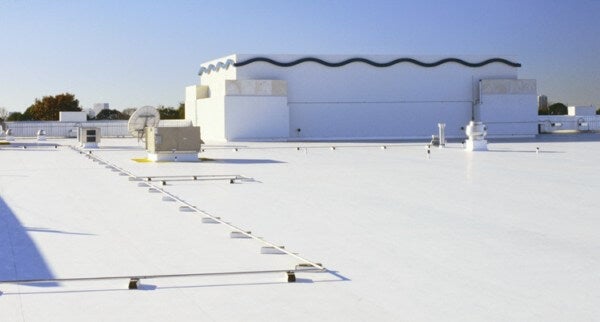
NW Roofing and Siding Pros provides commercial roofing services in Eugene, including inspections, repairs, maintenance, and replacement. Its commercial roofing options include TPO, PVC, and EPDM systems.
Before scheduling your project, explain what your business needs to keep operating. Discuss access, working hours, weather protection, and any areas that may need to close temporarily.
If leaks or repeated repairs are affecting your building, contact NW Roofing and Siding Pros for a free estimate. Start with an assessment of the roof and a work plan built around your property’s needs.